

Spanish MSHA Training Expands Mine Safety Education for Workers Across the USA
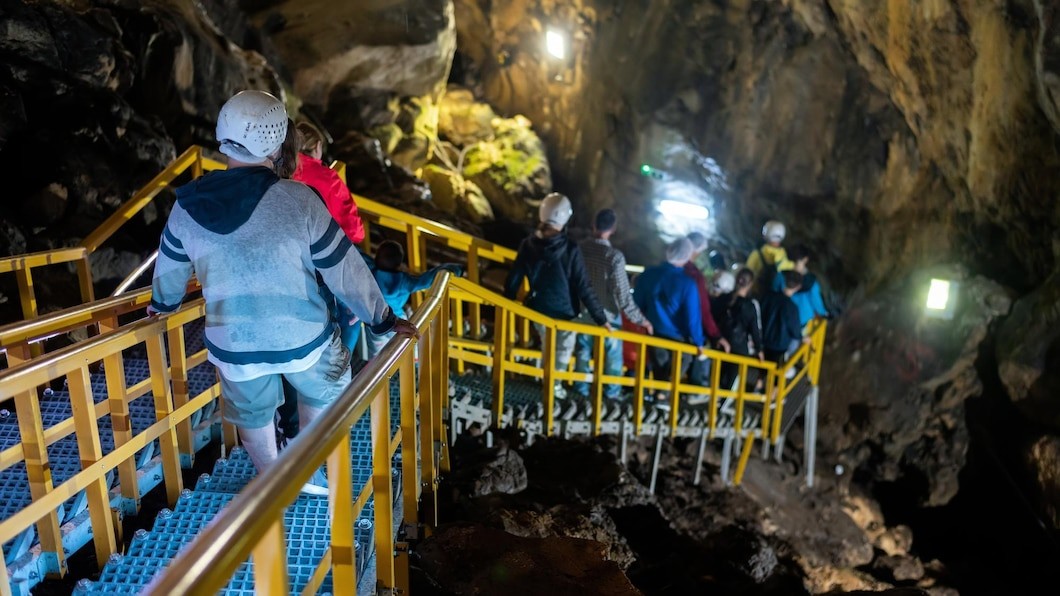
MSHA training.
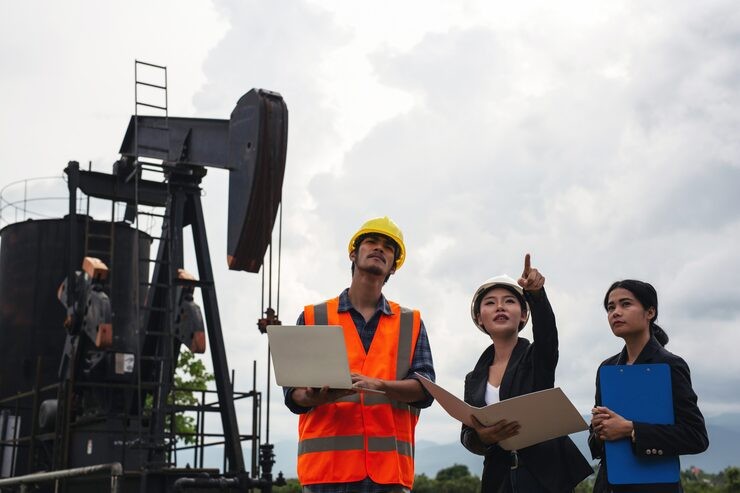
Under MSHA's Part 46 regulations
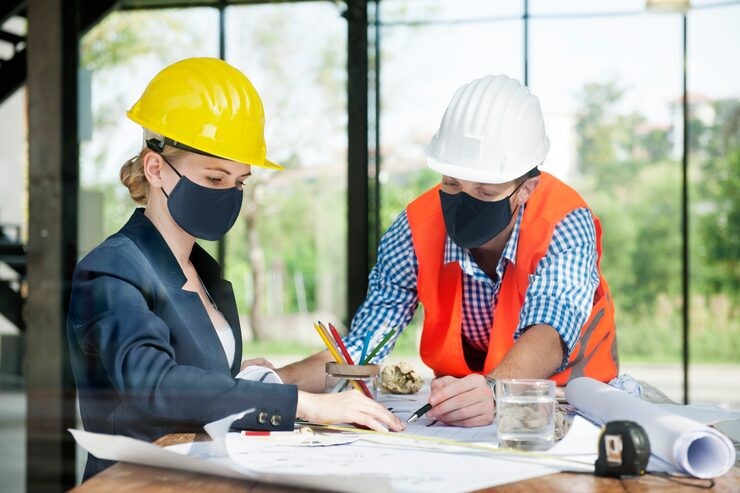
MSHA programs designed
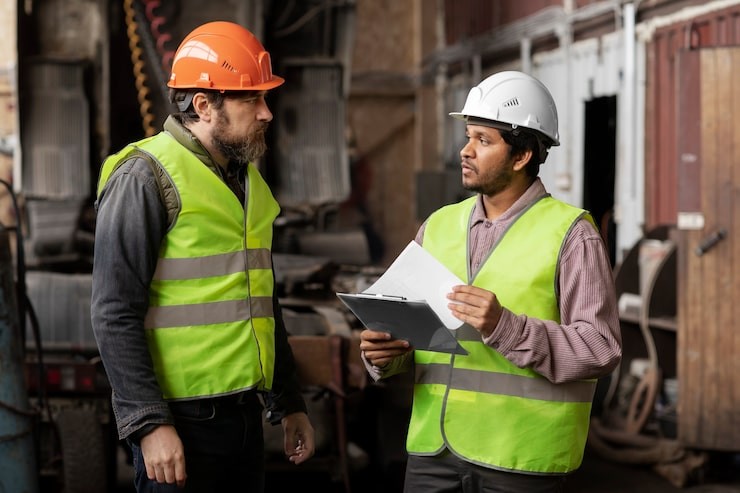
annual refresher training.
Industrial Consulting & Training LLC provides safety and compliance training for workers and organizations in industrial and mining-related fields.
HIGHLAND, UT, UNITED STATES, September 9, 2026 /EINPresswire.com/ -- Industrial Consulting & Training LLC is highlighting the importance of providing MSHA training in a language that miners understand, with Spanish-language instruction supporting Spanish-speaking workers across Houston and other major industrial regions in California, Utah, Colorado, Illinois, Nevada, and Alabama.Federal mine safety requirements place strong emphasis on effective communication during miner training. Under MSHA's Part 46 regulations, training must be presented in a language and vocabulary that miners understand. MSHA guidance specifically states that when a miner is not sufficiently fluent in English, training must be provided in a language the miner understands.
The language requirement is an important part of effective mine safety education. Training is intended to give workers the knowledge needed to recognize hazards, understand safe work procedures, respond to emergencies, and perform assigned duties safely. When workers cannot fully understand the instruction, the effectiveness of that training may be limited.
Language Plays a Critical Role in Mine Safety
Mining environments involve hazards that require workers to understand instructions clearly. Equipment movement, electrical hazards, ground conditions, emergency procedures, personal protective equipment, and other safety concerns can change quickly.
Training provides miners with the information needed to recognize and respond to these conditions. MSHA describes training as a fundamental part of protecting miners because workers need knowledge to perform their jobs safely, recognize hazards, and control risks.
For Spanish-speaking workers who are not fluent in English, receiving instruction in Spanish can make safety information easier to understand. It can also help workers ask questions, participate in discussions, and demonstrate that they understand important procedures.
The objective is not simply to translate individual words. Effective instruction should communicate safety concepts in a way that workers can understand and apply to their duties.
MSHA Training Requirements Address Language Understanding
MSHA's Part 46 compliance guidance provides a direct answer regarding workers who speak little or no English. The guidance explains that when an employee is not fluent in English, training must be provided in a language the employee understands. MSHA notes that training delivered only in English may not effectively train workers who are not sufficiently fluent in the language.
The requirement also extends to site-specific hazard awareness training. MSHA guidance states that this training must be presented in a language understood by the miners receiving it. Where mine warning signs are part of site-specific hazard awareness training, those signs should also be in languages understood by people coming onto the mine site.
This makes language accessibility more than a classroom concern. It can affect how safety information is communicated throughout a mining operation.
Spanish Training Supports Better Understanding of Hazards
A worker may be familiar with mining equipment and daily tasks while still having difficulty understanding technical safety instruction in English. This can create gaps in knowledge that matter during an emergency or when a hazard changes.
Spanish-language MSHA training helps address this concern by presenting required safety information in a language familiar to Spanish-speaking miners.
Training can cover topics such as hazard recognition, emergency response, safe equipment operation, workplace health risks, personal protective equipment, and mine-specific procedures. The exact requirements depend on the applicable MSHA training regulation, mine type, and worker role.
MSHA maintains Spanish-language education resources for miners, including materials addressing silica dust, enclosed cabs, and medical surveillance. The agency has also developed and translated training materials specifically to reach Spanish-speaking miners.
Supporting Workers Across Major Mining Regions
The need for accessible safety education extends across many areas of the United States. Houston serves as a major industrial center, while California, Utah, Colorado, Illinois, Nevada, and Alabama have mining and related industrial operations that require properly trained workers.
Spanish-speaking employees may be part of both large and small workforces. Providing instruction in Spanish can help employers address the needs of workers who may not be fully comfortable receiving technical safety information in English.
This is particularly relevant for training topics where misunderstanding could have serious consequences. Clear instruction can help workers understand what hazards exist, what controls are required, and how they should respond when conditions change.
Online and In-Person Training Options
Training accessibility can also be affected by location, work schedules, and operational demands. For that reason, MSHA training may be delivered through different formats depending on the applicable requirements and training program.
Online instruction can make scheduled training more accessible to workers who cannot easily travel to a training location. In-person instruction, meanwhile, provides direct classroom interaction and may be appropriate when the training plan calls for hands-on demonstrations or site-specific activities.
Regardless of format, the key consideration is whether the training meets applicable MSHA requirements and whether miners can understand the instruction.
For Spanish-speaking workers, the language of instruction remains an important part of that process.
Language Access and Employer Responsibilities
Employers and mine operators have responsibilities that extend beyond simply scheduling a training session. Training plans must address applicable regulatory requirements, and training must be effective for the miners receiving it.
MSHA's Part 46 guidance explains that operators and independent contractors must select individuals responsible for verifying that training is effective and provided according to the training plan and regulations.
Training records are also an important part of compliance. MSHA states that miner training must be recorded on Form 5000-23 or an approved alternative, with a copy provided to the miner upon completion or request.
These requirements reinforce the importance of treating training as a structured safety process rather than a simple administrative task.
Building a More Effective Safety Culture
A strong mine safety program depends on communication. Workers need to understand instructions before they can consistently apply them.
Providing training in Spanish when Spanish is the language a miner understands can support better participation and comprehension. Workers may be more comfortable asking questions, discussing hazards, and confirming their understanding of safety procedures.
For employers, this can contribute to a stronger safety culture. Clear communication can help teams identify hazards earlier and follow established procedures more consistently.
Spanish-language instruction does not replace the need for mine-specific training. Instead, it helps ensure that required information reaches workers in a form they can understand and use.
Continuing Education for Spanish-Speaking Miners
MSHA training does not end with initial instruction. Depending on the applicable requirements, miners may need annual refresher training, task training, new miner training, experienced miner training, or site-specific hazard awareness training. MSHA identifies Part 46 and Part 48 as the primary federal training frameworks, with requirements varying according to the type of mining operation.
Maintaining access to Spanish-language education throughout a worker's employment can therefore be an important consideration for employers with Spanish-speaking personnel.
As mining operations continue to employ workers from diverse language backgrounds, accessible safety education remains an important part of workforce development and regulatory compliance.
About Industrial Consulting & Training LLC
Industrial Consulting & Training LLC provides safety and compliance training for workers and organizations in industrial and mining-related fields. Its training services include MSHA programs designed to address federal training requirements and workplace safety needs. Training options are available in formats intended to support workers and employers across Houston, California, Utah, Colorado, Illinois, Nevada, Alabama, and other U.S. locations.
Industrial Consulting & Training LLC
Industrial Consulting & Training LLC
+1 385-446-6577
info@mytrainingcerts.com
Visit us on social media:
Instagram
Facebook
Legal Disclaimer:
EIN Presswire provides this news content "as is" without warranty of any kind. We do not accept any responsibility or liability for the accuracy, content, images, videos, licenses, completeness, legality, or reliability of the information contained in this article. If you have any complaints or copyright issues related to this article, kindly contact the author above.
